
5 Historic Places to Discover in Cannes
Category : Cannes
Cannes is known around the world for its Film Festival, luxury hotels and seafront. But behind that modern image, the city also has a much older story to tell.
Some places date back to the Middle Ages, while others reflect the period when Cannes became a favourite destination for wealthy European families.
Here are 5 historic places to discover in Cannes if you want to understand how the city developed over the centuries.
1. Fort Royal on Sainte Marguerite Island
Located on Sainte Marguerite Island, Fort Royal is probably one of the best known historic sites in Cannes.
Over the centuries, the site evolved into both a fortress and a state prison. From the late 17th century onwards, several cells were used to hold prisoners considered particularly sensitive by the royal authorities.
The most famous of them was, of course, the Man in the Iron Mask, who was held on the island for eleven years, from 1687 to 1698.
Today, the fort is home to the Museum of the Iron Mask and Fort Royal. Visitors can explore the former prison cells as well as archaeological collections discovered on the island and in the surrounding waters.
The short boat trip from Cannes also makes the visit feel like a real excursion.
2. Notre Dame d’Espérance Church
Set high above Le Suquet, Notre Dame d’Espérance is one of the oldest and most recognisable buildings in Cannes.
Construction began in the 16th century, at a time when the older local church had become too small for the growing population.
The building was later altered and restored several times over the centuries.
Its position at the top of Le Suquet makes it one of the main landmarks of old Cannes. The square in front of the church also offers wide views over the city and the bay.
It is a good place to understand how Cannes originally developed around this hill long before the modern Croisette existed.
3. The Old Castle of Le Suquet
Just a few steps from the church stands the former castle of the monks of Lérins.
This medieval complex overlooks Cannes from the top of Le Suquet and is now home to the Musée des Explorations du Monde.
The building still preserves several reminders of its past, including its fortified architecture, chapel and square tower.
Inside, the museum houses collections related to Mediterranean archaeology, ethnography and art from different parts of the world.
Visitors can also climb the tower, up more than one hundred steps, for a panoramic view across Cannes, the bay and the nearby islands.
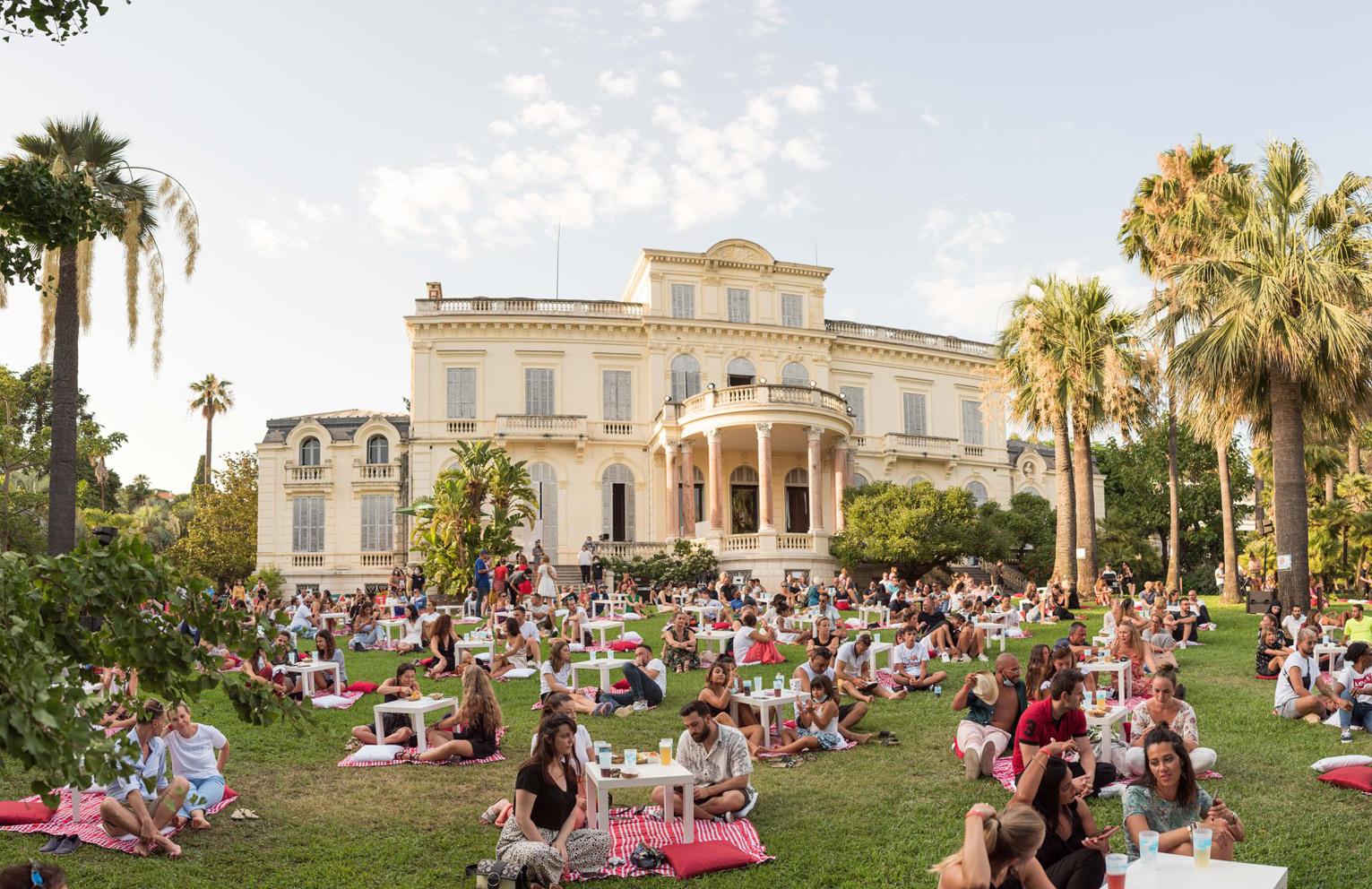
4. Villa Rothschild
Villa Rothschild offers a glimpse into a completely different period of Cannes history.
The property reflects the city’s development as a fashionable winter resort for wealthy European families in the late 19th and early 20th centuries.
Its architecture and gardens are typical of the grand residences that began appearing across the hills and residential areas of Cannes during that period.
Today, the villa is home to the Médiathèque Noailles.
Both the building and its gardens are protected as historic monuments, preserving an important part of Cannes’ Belle Époque heritage.
5. Villa Domergue
Built in 1934, Villa Domergue is more recent than the other places on this list, but it represents another important chapter in the architectural history of Cannes.
Painter Jean Gabriel Domergue played a major role in designing both the house and its interiors, drawing strong inspiration from Italian architecture.
His wife, sculptor Odette Maugendre Villiers, helped shape the terraced gardens, complete with pools and water features.
The property was later left to the City of Cannes in 1973.
Today, the villa regularly hosts cultural events and guided visits. Its architecture and gardens offer a glimpse into a more artistic side of Cannes, closely linked to the elegance and creativity of the 1930s.
Cannes, a history that goes far beyond the Film Festival
Exploring these places reveals a very different side of Cannes.
Fort Royal reflects the military and prison history of the region. Le Suquet takes visitors back to the city’s medieval origins. Villa Rothschild and Villa Domergue show how Cannes later developed into a prestigious destination from the 19th century onwards.
For anyone looking to go beyond the city’s best known landmarks, these historic sites in Cannes offer the chance to move through several centuries of local history in just a few visits.
And because many of them are located in or close to the city centre, they are easy to include in a stay in Cannes.
Credit :
@cannes.com